
The way people pay has changed enormously, but for businesses the more interesting story isn’t whether a customer uses cash, card or a digital wallet. It’s the data created by the transaction itself.
The way people pay has changed enormously, but for businesses the more interesting story isn’t whether a customer uses cash, card or a digital wallet. It’s the data created by the transaction itself.

A location can look busy without necessarily being right for your business. Thousands of people may pass through an area every day, but when are they there?
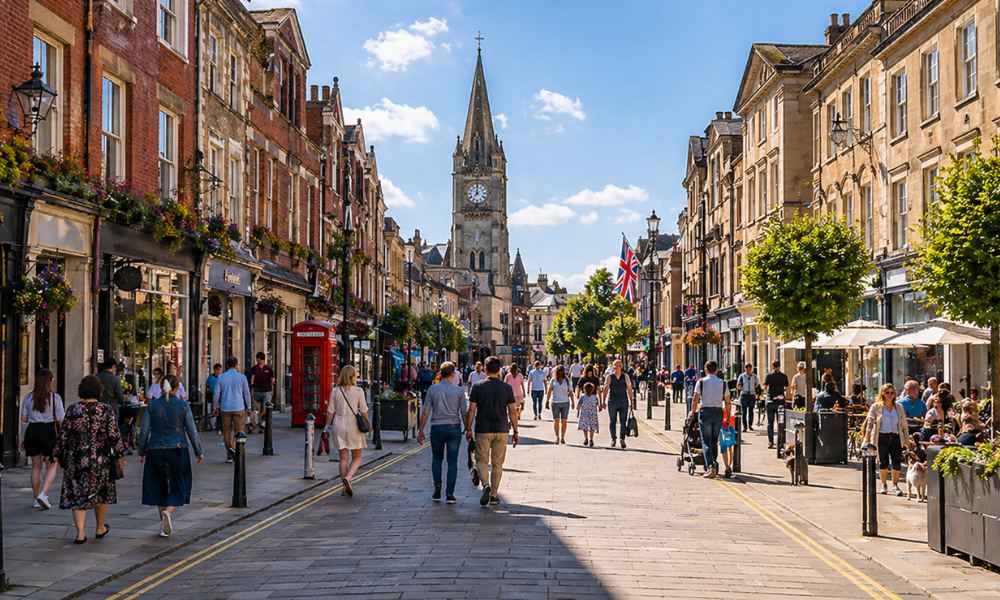
Customer data can tell you a great deal about who buys from you, what they buy and how much they spend. Add location, and another set of questions becomes possible.

Choosing a new location rarely comes down to finding one perfect piece of data. A busy area isn’t necessarily right for your business. A large population doesn’t guarantee sufficient demand. And the absence of competitors could represent an opportunity, or be a sign that the market simply isn’t there.

Location can influence where a campaign runs, which audiences it reaches, the message people see and how results are measured. Used well, it connects marketing activity with what is happening in the real world: where customers are, where they go and which locations matter to the business.

Click-through rates, conversions, cost per lead and return on investment can all tell you whether activity is delivering results. But when a business operates across different locations, the overall figures can hide an important part of the story.

Digital banking may have reduced the number of everyday transactions taking place in branches, yet banks still need to understand where their customers are, how accessible their physical services are and where there may be gaps in provision.

Have you ever wondered why more people gather in one area than another, or how foot traffic fluctuates on weekdays versus weekends, or across different months? Traditional data sources might only tell part of the story.

Read the website of almost any business promising to make sense of data and you’ll probably come across the words ‘analysis’ and ‘insight’. They’re often used interchangeably, but they don’t mean quite the same thing.
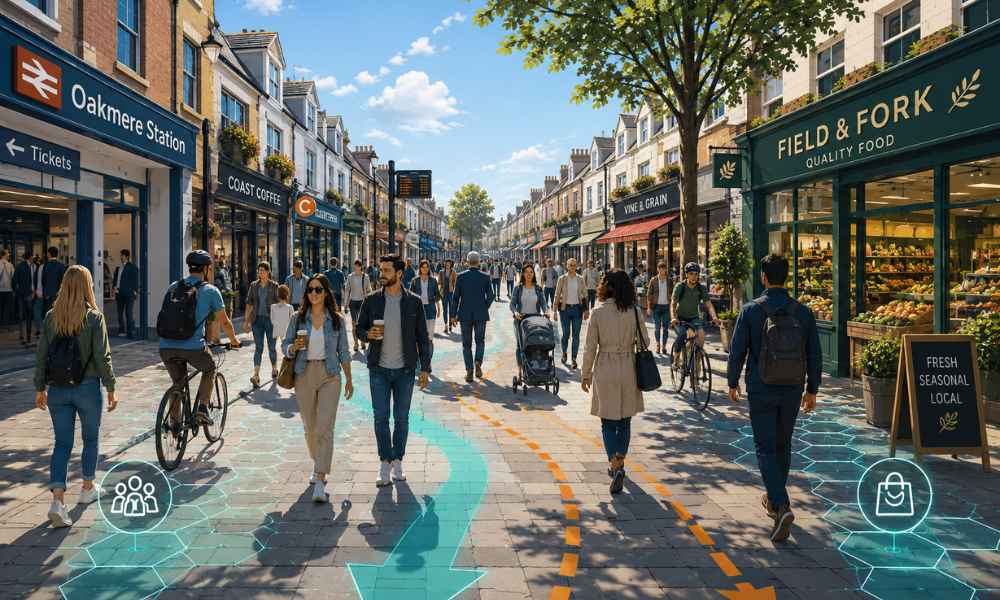
Understanding who your customers are can help you make better decisions about who to target, where to focus your marketing and where future opportunities may exist.